
The Lifelong Impact of Parental Presence, Absence, and Alienation: A Guide to Healing for Parents & Families
Apr 06, 2026
IAM™ Research
Author: Claire Elizabeth Grace Pittock Heacock, IAMp & 500 RYT
"The same bond that can be weaponized through alienation or fractured through abandonment can also be healed through intentional, compassionate, and evidence-based intervention... The question is not whether healing is possible, but whether we have the courage, compassion, and commitment to pursue it."

The goal here is providing an in-depth analysis of the complex dynamics within parent-child relationships, focusing on Parental Alienation (manipulation by one parent), Self-Alienation (voluntary parental withdrawal), and the critical processes of Rehabilitation and Reconnection. It examines these phenomena through a developmental lens, spanning from infancy to adulthood, and offers a roadmap for healing and reintegration. The aim is to move beyond punitive measures towards a holistic framework that prioritizes the well-being of both parents and children, especially in the context of high-conflict family dynamics and the presence of manipulative or subtly abusive behaviors.
Part I: The Dynamics of Parental Absence and Alienation
"Both external alienation and self-alienation are forms of psychological harm, though they operate through different mechanisms."

1. Parental Alienation (External Sabotage)
Parental alienation is a deeply damaging phenomenon where a child is manipulated by one parent (the alienating parent) to reject the other parent (the targeted parent) without legitimate justification. This psychological manipulation distorts the child's reality and relationship with the targeted parent, leading to severe emotional and developmental issues [1] [2].
Effects on the Child
Children exposed to parental alienation often exhibit a range of psychological and emotional difficulties, regardless of whether the targeted parent is the mother or the father:
- Psychological Distress: Increased anxiety, depression, and a pervasive sense of loss. Children may internalize negative messages, leading to guilt, shame, and a diminished sense of self-worth [1] [3] [4].
- Identity and Self-Esteem: A child's sense of self is often tied to both parents. Rejecting one parent can lead to a fragmented identity, lower self-esteem, and difficulties in forming a coherent self-concept [5] [6]
- Lack of Trust: The manipulative nature of alienation erodes a child's ability to trust others, particularly in intimate relationships, leading to wariness and fear of betrayal [1] [4].
- Distorted Reality and Independent Thinking: Alienating behaviors impair a child's independent thinking, causing them to adopt the alienating parent's views without critical evaluation [7].
- Long-term Relationships: Alienated children may struggle with trust and intimacy, often repeating patterns of alienation or unhealthy relationship dynamics in their own future families [1] [5].
- Increased Risk of Psychopathology: Children exposed to parental alienation show a higher risk of psychopathology in adulthood, including personality disorders and other mental health issues [6].
Effects on the Targeted Parent (Mother or Father)
Both mothers and fathers targeted by alienation experience profound psychological, emotional, financial, social, and physical distress:
- Loss of Parental Identity: Not being able to parent fully or naturally leads to a profound sense of loss and a void in the parent's identity [8] [9]. Fathers, in particular, may experience a "hidden father" syndrome characterized by grief and purposelessness [10].
- Mental Health Risks: Targeted parents are at a higher risk for developing depression, anxiety, and post-traumatic stress disorder (PTSD) due to the ongoing trauma and loss [4] [11] [12]. Fathers, especially, face higher risks of suicidal ideation when feeling unsupported [13].
- Financial and Legal Strain: The legal battles associated with parental alienation are often financially devastating, draining resources and impacting the parent's ability to earn a living [14] [15].
- Social Isolation: The complex nature of parental alienation can lead to misunderstanding from friends and family, resulting in a lack of support and social isolation [16].
- Physical Health Impacts: Chronic stress can manifest as various physical ailments, including immune dysfunction and cardiovascular problems [17].
2. Self-Alienation (Voluntary Parental Withdrawal)
Self-alienation occurs when a parent voluntarily "steps back" from their role, often due to personal struggles rather than malicious intent. This can be driven by:
- Overwhelm and Burnout: Feeling incapable of meeting the child's needs due to mental health issues, substance abuse, or extreme stress [18].
- Guilt or Shame: Believing they are a "bad" parent and that the child is better off without their presence.
- Career or Personal Goals: Prioritizing individual aspirations, sometimes at the expense of parental responsibilities.
- Avoidance of Conflict: Withdrawing to escape high-conflict co-parenting dynamics or abusive situations.
The Impact of Self-Alienation:
Unlike external alienation, where the child is told the parent is "bad," self-alienation leaves the child with a profound "void." The child often internalizes this absence as a personal failure ("I wasn't worth staying for"), leading to deep-seated issues with self-worth, abandonment, and a fear of intimacy [19] [20].
This can be particularly damaging as the child may not have an external narrative to explain the parent's absence, leading to self-blame.
The Fracture: Understanding the Root Causes
Parental absence—whether orchestrated through manipulation or self-imposed—creates a fundamental rupture in the parent-child relationship. Both external alienation and self-alienation are forms of psychological harm, though they operate through different mechanisms. External alienation weaponizes the child's mind against a parent, while self-alienation creates an existential void that the child struggles to comprehend. In both cases, the child becomes the primary victim, internalizing the absence as a personal failing and developing maladaptive patterns of trust, self-worth, and emotional regulation. The targeted or absent parent, meanwhile, experiences profound grief, identity loss, and often severe mental health consequences. Understanding these distinct yet equally damaging dynamics is essential for developing appropriate interventions that address the needs of both the child and the parent, moving beyond blame and toward healing.
IAM Insight:
If you're reading this and recognizing your own family situation, here's what all this clinical language really means: Your child is hurting, and so are you. Whether your child has been turned against you by the other parent, or you've stepped away because you were overwhelmed, the damage is real and it affects how your child sees themselves and the world. Your child might blame themselves, struggle to trust people, or feel like something is wrong with them. And if you're the targeted parent, you're probably experiencing grief so deep it feels like losing a child while they're still alive. This isn't about blame—it's about understanding that both of you need support to heal. You don't need to have a therapist or a fancy program to start healing. You need to be honest about what happened, take responsibility for your part, and commit to showing up differently. That's the foundation.
Part II: Developmental Impacts Across the Lifespan
"The impact of parental alienation or absence is not uniform across the lifespan; rather, it unfolds as a developmental cascade where the child's cognitive, emotional, and social capacities at each stage determine how they process and internalize the loss."

The impact of parental alienation or absence varies significantly depending on the child's developmental stage. Understanding these age-specific vulnerabilities is crucial for effective intervention and support.
|
Age Group
|
Developmental Focus
|
Impact of Alienation/Absence
|
|
0-2 Years (Infancy & Toddlerhood)
|
Attachment & Trust: Forming primary attachment bonds, developing basic trust in caregivers. |
Disruption of the primary bond can lead to severe attachment disorders, "failure to thrive," sleep disturbances, extreme stranger anxiety, and long-term emotional regulation difficulties [21] [22]. The child may struggle to form secure attachments later in life. |
|
3-5 Years (Preschool)
|
Egocentrism & Magical Thinking: Developing a sense of self, understanding cause and effect, often with a self-centered perspective. |
Children often blame themselves for a parent's absence or the conflict. May experience regression (e.g., bedwetting, thumb-sucking), intense separation anxiety, and difficulty with emotional expression [23] [24]. They may believe their thoughts or actions caused the parent to leave. |
|
6-11 Years (School Age)
|
Industry & Social Comparison: Developing competence, social skills, and a sense of self-efficacy; comparing themselves to peers. |
"Cognitive Splitting" becomes prominent, where the child adopts a "black and white" view of parents to cope with loyalty conflicts [25] [26]. This can lead to academic struggles, social isolation, and difficulty forming stable friendships. They may exhibit anger, defiance, or withdrawal. |
|
12-15 Years (Early Adolescence)
|
Identity & Autonomy: Forming a personal identity, seeking independence from parents, peer influence. |
Alienation can derail the healthy process of separation-individuation. Teens may become "enmeshed" with the alienating parent, losing their sense of self, or rebel against both parents. Increased risk of substance abuse, eating disorders, and early sexual activity [19] [27]. |
|
16-18 Years (Late Adolescence)
|
Independence & Future Orientation: Planning for the future, solidifying identity, preparing for adult relationships. |
Increased risk of substance abuse, academic failure, and difficulty forming their own intimate relationships. They may struggle with trust, commitment, and self-sabotage. The prolonged conflict can lead to chronic stress and mental health issues that persist into adulthood [19] [28]. |
|
18+ Years (Adulthood)
|
Intimacy, Career, & Parenthood: Forming lasting relationships, establishing a career, potentially becoming parents themselves. |
Adult children of alienation or prolonged absence often struggle with intimacy, trust, and commitment. They may also experience a delayed grief process as they come to terms with the lost relationship. They may also repeat patterns of unhealthy relationships, experience depression, anxiety, and difficulty with parenting their own children [5] [29]. |
The Developmental Cascade: How Timing Shapes Trauma
The impact of parental alienation or absence is not uniform across the lifespan; rather, it unfolds as a developmental cascade where the child's cognitive, emotional, and social capacities at each stage determine how they process and internalize the loss. Infants and toddlers experience disruption at the most foundational level—attachment itself—creating lifelong difficulties with emotional regulation and trust. Preschoolers blame themselves, developing shame and guilt that becomes embedded in their self-concept. School-age children develop cognitive splitting as a survival mechanism, fragmenting their internal world to manage loyalty conflicts. Adolescents face derailed identity formation, often becoming enmeshed with the alienating parent or rebelling against both. Late adolescents and young adults struggle with intimacy and commitment, carrying unresolved trauma into their own relationships and potential parenthood.
Understanding this developmental trajectory is imperative for tailoring interventions that meet the child where they are developmentally, rather than applying a one-size-fits-all approach to healing.
IAM Insight:
You might be wondering: "Does it really matter when my child experienced this loss?" The answer is absolutely yes. A baby who loses a parent experiences something completely different from a teenager who does. A baby doesn't understand why the parent is gone; they just know they're not there, and this affects their ability to trust and feel safe for the rest of their life. A preschooler might think they caused the parent to leave—that their behavior or thoughts made it happen. A school-age child might split the world into "all good" and "all bad" to cope with the confusion. A teenager might act out, use substances, or lose themselves trying to please the remaining parent. An adult might struggle to have healthy relationships or become a parent themselves without help.
The point is: your child's age matters. If your child is young, your priority is rebuilding their sense of safety and trust. If they're older, you're working with more years of damage and more complex emotions. But healing is possible at any age—it just looks different depending on where your child is developmentally.
Part III: The Return—Sudden vs. Gradual Reintegration
"Sudden re-entry at any age, no matter how well-intentioned, violates the child's sense of safety and can reinforce their belief that they cannot trust adults to respect their boundaries or emotional needs."

When a parent who has been absent (whether through alienation or self-alienation) attempts to return to a child's life, the method of return is critical. The goal is to facilitate healing and re-establish a healthy connection, not to re-traumatize the child.
The Danger of Sudden Re-entry
Expecting to "step back into the role" without a gradual, thoughtful process is often traumatic for the child and counterproductive for the parent. A sudden re-entry can:
- For the Child: Feel like an invasion of their established "safe" reality. It can trigger intense anxiety, resentment, confusion, and a "freeze" or defensive response. The child may feel their sense of stability is threatened [30]
- For the Parent: Often leads to immediate rejection or resistance from the child, which the returning parent may misinterpret as a lack of love or a personal failure, potentially causing them to withdraw again and perpetuate the cycle of abandonment [30].
The Necessity of Gradual Reintegration
Gradual reintegration is always necessary, regardless of the child's age, and should be guided by therapeutic professionals. It allows for:
- Trust Building: Small, consistent, and predictable actions (e.g., letters, short phone calls, supervised visits) prove reliability and rebuild trust over time. The parent must demonstrate genuine commitment and patience [31]
- Emotional Regulation: Gives the child time to process the "new" presence without being overwhelmed. It allows them to express their feelings (anger, sadness, confusion) in a safe, supported environment [32]
- Adjustment of Roles: Allows the family system to slowly shift and adapt to accommodate the returning parent. This includes clarifying expectations and boundaries for all parties involved.
- Child-Centered Pace: The pace of reintegration must be dictated by the child's readiness and comfort level, not the parent's desire for immediate reconciliation.
The Path Forward: Patience as a Healing Tool
The return of an absent parent is not a moment but a process, and the quality of that process determines whether healing occurs or re-traumatization takes place. Sudden re-entry at any age, no matter how well-intentioned, violates the child's sense of safety and can reinforce their belief that they cannot trust adults to respect their boundaries or emotional needs. Gradual reintegration, by contrast, demonstrates respect for the child's autonomy and emotional capacity. It allows the parent to prove through consistent, small actions that they are trustworthy and committed to the child's well-being. This slow, deliberate approach requires immense patience from the returning parent, but it is the only pathway to genuine healing and reconnection.
The goal is not to erase the past or rush to a "normal" relationship, and instead is to build something new and authentic, grounded in the child's current reality and readiness.
IAM Insight:
Let's say you've been absent from your child's life, and now you want to come back. Or maybe you were pushed out, and you're finally getting the chance to reconnect. Your first instinct might be to jump back in—to make up for lost time, to prove your love, to show your child how much you care. Don't do that. I know it's hard, but sudden re-entry will backfire. Your child has built a life without you. They've learned to protect themselves. When you suddenly show up wanting to be "Dad" or "Mom" again, it feels like an invasion. Your child might get angry, defensive, or shut down completely. Instead, think of it like this: you're a stranger who happens to share DNA with them.
You need to earn back the right to be their parent. Start small. Send a letter. Make a phone call. Keep it brief and consistent. Show up when you say you will. Let your child set the pace. This might take months or years, but it's the only way that actually works. Patience isn't weakness; it's the most powerful tool you have.
Part IV: Rehabilitation Over Separation: A Holistic Approach
"When a parent struggles, the child is already suffering the consequences of that struggle. Supporting the parent's healing is not a reward for bad behavior; it is an investment in the child's well-being."

Separating a parent and child is a traumatic event that should be a last resort. A holistic approach prioritizes rehabilitation, seeking to address underlying issues (mental health, substance use, parenting skills) while maintaining the parent-child bond whenever safely possible.
Why Rehabilitate Fathers?
Fathers struggling with mental illness, "paternal strain," or who have been alienated need validation and support rather than immediate removal. Rehabilitation models like Overcoming Barriers Family Camp or For2Parents focus on enhancing paternal responsibility and self-awareness [33] [34]. Keeping the father present—even in a supervised or limited capacity—prevents the "traumatic void" that occurs when a parent suddenly disappears from a child's life, which can be as damaging as alienation itself [35].
Why Rehabilitate Mothers?
Mothers often need rest, nourishment, and career alignment (e.g., through Human Design principles) to address physical and emotional depletion that can lead to self-alienation or vulnerability to manipulation [36] [37]. Models like CAMS (Child and Mother Sabotage) highlight that what appears to be "alienation" by a mother is often a protective response to a manipulative or abusive father [38]. Supporting her rehabilitation ensures the child remains connected to their primary nurturer and prevents the child from being used as a tool in coercive control [39].
Key Components of a Supportive Rehabilitation Model (No Separation)
- Residential Rehabilitation with Children: Programs that allow children to stay with their parents during mental health or substance use treatment. This maintains the attachment bond and provides a therapeutic environment for both [40] [44] [45]
- Wraparound Services: A holistic approach that coordinates various services—mental health, medical, financial, and legal—around the family's needs, ensuring comprehensive support [41].
- In-Home Support and Visiting Programs: Programs like "FIRST Steps Together" provide home visits to support parents in recovery, offering guidance and resources within the family's natural environment [42].
- Safe Haven Transitional Housing: Providing long-term housing and counseling for parents and children who have experienced abuse, ensuring safety without the trauma of separation [43].
Ensuring Immediate Child Safety within Rehabilitation
- Supervised Support: Trained professionals or supportive family members can provide an extra layer of safety and guidance within the home or residential setting.
- Safety Planning: Developing comprehensive safety plans that address potential risks while keeping the parent and child together.
- Child-Centered Therapy: Providing the child with their own therapeutic support to help them process the family's situation and build resilience.
The Paradigm Shift: Healing Over Punishment
Traditional approaches to parental dysfunction have often relied on separation and punishment, operating under the assumption that removing a struggling parent protects the child. However, this approach fails to account for the profound harm caused by the sudden loss of a parent, which can be as traumatic as the original dysfunction. A rehabilitation-focused model, by contrast, recognizes that parents and children are interconnected systems. When a parent struggles, the child is already suffering the consequences of that struggle. Supporting the parent's healing is not a reward for bad behavior; it is an investment in the child's well-being. This paradigm shift requires resources, compassion, and a commitment to seeing parents as complex human beings capable of change, rather than as irredeemable perpetrators. It demands that we support mothers and fathers, recognizing that their healing is inseparable from their child's healing.
IAM Insight:
Here's a hard truth: separating a parent and child causes trauma. Yes, sometimes it's necessary. If a parent is actively abusing a child, that child needs to be safe. However, if a parent is struggling—depressed, overwhelmed, using substances, or making poor choices—separation should be the last resort, not the first response. Why? Because your child is already suffering from the parent's struggle. They're already experiencing the chaos, the neglect, or the emotional pain. Suddenly ripping them away from that parent and putting them with a stranger (even a relative) adds another layer of trauma on top of what they're already dealing with.
Instead, imagine this: what if we supported the parent and the child together? What if there were programs where a struggling mom could get mental health treatment while her kids stayed with her? What if a dad could get help for substance abuse while still being present in his children's lives? What if we provided in-home support, counseling, housing assistance, and childcare—all the things that would actually help a family heal? That's not letting a bad parent off the hook. That's recognizing that parents and children are connected, and healing one means healing the other.
Part V: Safe Separation vs. Alienation: When is it Necessary?
"The goal is never to erase the parent-child relationship and instead is to interrupt harm while preserving the possibility of healing."

There is a critical distinction between parental alienation (unjustified rejection) and justified estrangement (protective separation). While alienation is always harmful, protective separation, though painful, can be necessary for a child's safety and long-term well-being.
When Separation is Necessary
Separation is necessary when there is documented evidence of significant harm or danger to the child, such as
- Physical or Sexual Abuse: Any credible evidence of direct abuse by a parent
- Severe Neglect: Chronic failure to provide basic needs, supervision, or care
- Active Substance Abuse: When a parent's substance use directly endangers the child's safety or well-being
- Extreme Coercive Control/Domestic Violence: When one parent's behavior creates an unsafe environment, preventing the child from feeling secure or developing independently [46].
How it Differs from Alienation
- Alienation is based on falsehoods and manipulation. The child is taught to fear a parent who is actually safe and loving. The alienating parent actively works to destroy the child's bond with the other parent [47].
- Justified Separation is based on safety and reality. The child's fear or rejection is a realistic response to actual harm or danger from a parent. The goal is to protect the child, not to destroy a healthy bond [47].
What a Child Needs During Necessary Separation
If a parent must be separated for rehabilitation or due to safety concerns, the child requires specific support to mitigate trauma and promote healing:
- Honest, Age-Appropriate Explanations: Children need clear, truthful, and age-appropriate explanations for the separation. For example, "Dad/Mom is going to a place to get healthy so they can be the best parent for you" [48]. This helps prevent self-blame and confusion.
- Therapeutic Support: Individual and family therapy are crucial. Children need a safe space to process their grief, anger, and confusion, and to understand that the separation is not their fault [49].
- Maintaining Connections (if safe): If the separated parent is in rehabilitation, supervised contact (letters, calls, visits) can be vital for maintaining a connection and demonstrating commitment to change.
- Reunification Planning: A clear, safety-focused roadmap for how and when contact will resume, often guided by Reunification Therapy. This process is carefully managed to ensure the child's emotional and physical safety throughout [50] [51].
The Sacred Boundary: Protecting Without Punishing
Separation is sometimes necessary, and when so it must be undertaken with the understanding that it is a protective measure, not a punishment. The distinction between alienation and justified estrangement lies in intent and reality. Alienation destroys a healthy bond through manipulation and falsehood; justified separation protects a child from genuine harm while maintaining the possibility of future reconnection. When separation occurs, the child must understand the truth of the situation in age-appropriate language, must receive therapeutic support to process the loss, and must be given the opportunity to maintain contact with the separated parent if that parent is working toward rehabilitation. The goal is never to erase the parent-child relationship and instead to interrupt harm while preserving the possibility of healing. This nuanced approach honors both the child's need for safety and the parent's capacity for change.
IAM Insight:
So when is separation actually necessary? Here's the key difference: alienation is a lie; justified separation is the truth. Alienation happens when a parent tells a child, "Your other parent is evil and doesn't love you," when that's not true. Justified separation happens when a child is genuinely unsafe—when there's real abuse, real neglect, or real danger. If your child is being physically abused, sexually abused, or severely neglected, they need to be removed from that situation. That's not punishment; that's protection.
Still, here's what matters: even in these situations, your child needs to know the truth about why they're being separated. They need to hear, in age-appropriate language, "We're keeping you safe because [specific reason]." They need therapy to process what happened. They need to know it's not their fault. And if the parent is working on getting better, your child might benefit from supervised contact—letters, phone calls, or visits—to maintain some connection and to see that the parent is trying to change. The goal is never to erase the parent-child relationship; it's to interrupt harm while leaving the door open for healing. That's the difference between alienation and justified separation.
Part VI: Reconnecting with Adult Children
"Small, reliable actions are more impactful than grand gestures... The goal is not to erase the past, it is to build a renewed relationship grounded in truth, accountability, and genuine connection."

Reconnecting with an adult child after a period of absence, whether due to alienation or self-alienation, is a deliciated and often lengthy process that requires immense patience, self-reflection, and a child-centered approach.
1. Reconnecting after Alienation
- The Challenge: Adult children who were alienated may still hold the distorted "narrative" provided by the alienating parent. They may have deeply ingrained negative perceptions of the targeted parent and struggle with cognitive dissonance if confronted with a different reality [52].
- Strategy: Unconditional Love and Patience. The targeted parent must avoid defending themselves, attacking the alienating parent, or demanding an apology. The focus should be on the present, expressing consistent, unconditional love, and a genuine desire to know the adult child as they are now [53] [54].
- The "Letter of Amends": Acknowledging the pain the adult child went through without making it about the parent's own suffering. This can open a door for dialogue by validating the child's experience [55].
- Therapeutic Support:
Engaging a neutral therapist can provide a safe space for communication and help the adult child process their past and present feelings [56]. Two evidence-based therapeutic approaches have shown particular promise for adult children of parental alienation or separation: Dialectical Behavior Therapy (DBT) and Neurofeedback.Dialectical Behavior Therapy (DBT) is a comprehensive, skills-based therapy originally developed to treat Borderline Personality Disorder and increasingly recognized as highly effective for complex trauma, emotional dysregulation, and abandonment-related issues [60] [61]. DBT combines cognitive-behavioral techniques with mindfulness and acceptance strategies, teaching four core skill modules that are particularly beneficial for adult children of alienation: Mindfulness (present-moment awareness), Distress Tolerance (managing crisis situations and intense emotions), Emotion Regulation (identifying and modifying emotional responses), and Interpersonal Effectiveness (navigating relationships with boundaries and assertiveness) [62] [63]. Research demonstrates that DBT-PTSD (a trauma-focused adaptation of DBT) is effective in reducing PTSD symptom severity and comorbid emotional dysregulation in adults with complex trauma [64]. For adult children of alienation, DBT addresses the core struggles they face: difficulty trusting others, emotional volatility, self-harm or self-sabotage behaviors, and relationship instability. The structured, validating approach of DBT helps these individuals rebuild a sense of self-efficacy and develop healthy coping mechanisms without requiring them to relive traumatic memories in detail [65].
 Neurofeedback, also known as EEG biofeedback, is a non-invasive brain-training technique that teaches the brain to self-regulate by providing real-time feedback on brain wave activity [66]. Neurofeedback has emerged as a powerful complementary or standalone treatment for trauma, PTSD, and attachment issues [67]. The technique works by helping the brain shift from dysregulated states (characterized by overactive threat-detection systems) to more balanced, regulated states [68]. For adult children of alienation or separation, neurofeedback can be particularly effective because it addresses the neurobiological underpinnings of trauma without requiring extensive verbal processing or cognitive work. Research shows that EEG-based neurofeedback reduces PTSD symptoms with moderate to large effect sizes compared to control groups [69], and it has demonstrated significant improvements in emotional regulation, anxiety, depression, and even attachment-related avoidance [70] [71]. One study found that adults with avoidant attachment patterns showed significant improvement after neurofeedback therapy, suggesting that the technique can help unfreeze emotional engagement and increase openness to reconnection [72]. Neurofeedback is particularly valuable for individuals who struggle with talk therapy alone or who have difficulty accessing or processing emotions verbally.
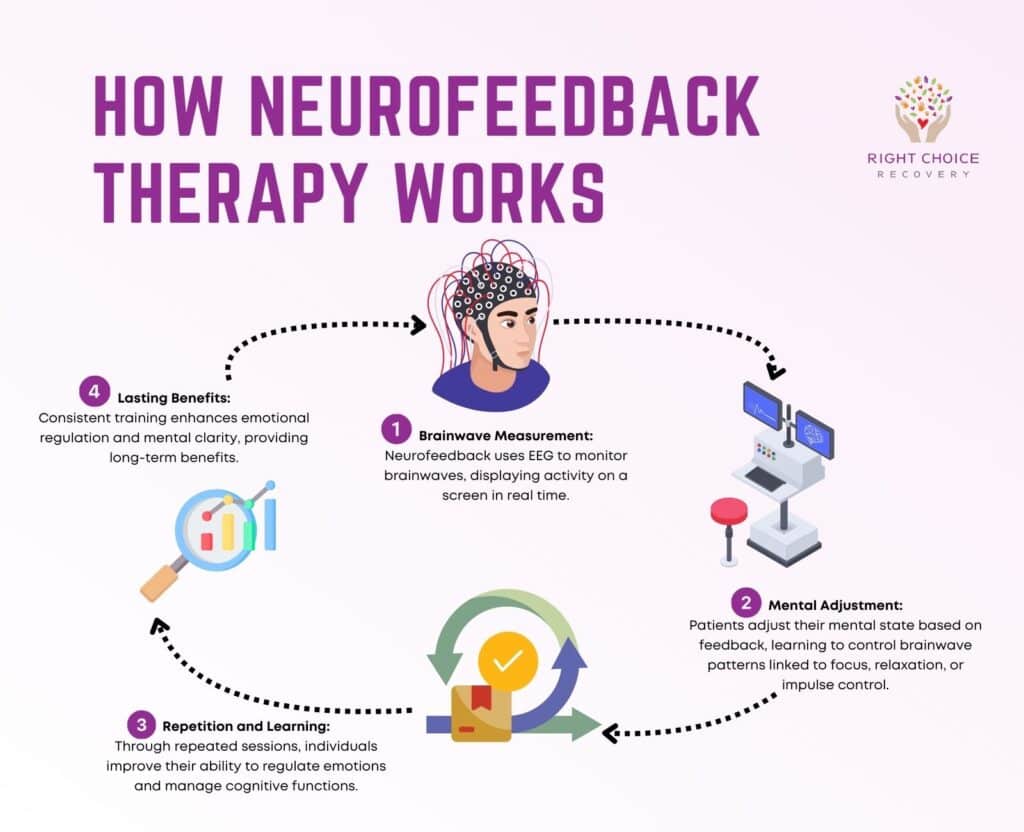 Combining DBT and Neurofeedback offers a comprehensive approach: neurofeedback addresses the dysregulated brain state, while DBT provides the skills and relational framework for sustainable change. This integrative approach allows adult children to simultaneously calm their nervous system and develop practical tools for managing relationships, emotions, and the complex feelings that arise during reconnection with a parent [73].
2. Reconnecting after Separation/Self-Alienation
- The Challenge: Adult children may feel a deep sense of abandonment, believing they were "not enough" to keep the parent present. They may harbor significant anger, grief, and resentment [57].
- Strategy: Radical Accountability. The returning parent must take full, unequivocal responsibility for their absence without making excuses (e.g., "I was overwhelmed," "I was sick"). This means acknowledging the impact of their absence on the child [58].
- Listening without Defense: Allowing the adult child to express their anger, grief, and pain fully without interruption, justification, or defensiveness. The parent's role is to listen, validate, and empathize [53] [59].
- Consistent Effort: Rebuilding trust requires consistent, sustained effort over time. Small, reliable actions are more impactful than grand gestures. The relationship must be rebuilt on the adult child's terms and at their pace.
The Second Chance: Healing in Adulthood
Reconnection with an adult child is perhaps the most challenging and most rewarding form of healing. Adult children carry decades of accumulated pain, distorted narratives, and defensive patterns. Yet they also possess the cognitive capacity to understand complexity, to recognize their parent's humanity, and to choose forgiveness. The path to reconnection requires the parent to surrender their need to be understood, to validate the child's experience without defensiveness, and to demonstrate through consistent action that they are worthy of a second chance. For adult children who were alienated, this means gently challenging distorted narratives without attacking the other parent. For adult children who experienced abandonment, this means taking full responsibility without excuse. In both cases, evidence-based therapies like DBT and Neurofeedback can provide the tools for emotional healing and the capacity to engage authentically. The goal is not to erase the past but to build a new relationship grounded in truth, accountability, and genuine connection.
IAM Insight:
If your child is now an adult, and you're estranged or alienated from them, you might feel like it's too late. It's not. But you need to understand something: your adult child has had decades to build their life, their beliefs, and their defenses without you. They might have been told terrible things about you. They might have painful memories of your absence. They might not trust you. And that's okay. Your job isn't to convince them you're right or to defend yourself. Your job is to listen. Really listen. Let them tell you how your absence or the alienation hurt them. Don't interrupt. Don't make excuses. Just listen and say, "You're right. I'm sorry."
Then, show up consistently. Small things matter more than big gestures. A text on their birthday. A call on an anniversary. Remembering something they told you and following up. If they're open to it, therapy—especially DBT or neurofeedback—can help both of you process the past and build new patterns. The goal isn't to go back in time. It's to build something real in the present. And sometimes, that means accepting that your relationship will look different than it would have if you'd been there all along. And that's still worth it.
A Path Forward: Reimagining Family Resilience
This comprehensive examination of parental alienation, self-alienation, and the processes of rehabilitation and reconnection reveals a fundamental truth: the parent-child relationship is one of the most powerful forces shaping human development, and its disruption is one of the most profound sources of trauma. Yet this same power offers hope. The same bond that can be weaponized through alienation or fractured through abandonment can also be healed through intentional, compassionate, and evidence-based intervention.
The current approach to family dysfunction often operates within a framework of punishment and separation. Parents are labeled as "bad," children are protected through estrangement, and families are fractured in the name of safety. While separation is sometimes necessary, it should never be the default response. Instead, we must develop a new paradigm—one that recognizes the interconnectedness of parent and child, that honors the parent's capacity for change, and that prioritizes healing over punishment.
This paradigm shift requires several fundamental changes:
First, we must move beyond binary thinking. Parents are not simply "good" or "bad." They are complex human beings struggling with their own trauma, mental health challenges, and limitations. A mother who is exhausted and overwhelmed is not a "bad" parent; she is a parent in crisis who needs support. A father who is alienated from his child is not irredeemable; he is a parent who needs validation and guidance. A parent who has stepped away is not abandoning maliciously; they may be drowning and unable to ask for help.
Second, we must invest in rehabilitation models that keep families together whenever safely possible. Residential treatment programs that allow children to remain with their parents, wraparound services that coordinate comprehensive support, in-home visiting programs, and transitional housing all represent evidence-based alternatives to separation. These models recognize that a child's well-being is inextricably linked to their parent's well-being.
Third, we must distinguish clearly between alienation and justified separation. Alienation is the manipulation of a child's mind against a parent through falsehood and coercion. Justified separation is the protection of a child from documented harm. The two are not equivalent, and conflating them obscures the reality of family dynamics. A parent who is genuinely abusive must be separated from their child; a parent who is struggling but not abusive deserves the opportunity to heal.
Fourth, we must recognize the developmental cascade of trauma. The impact of parental absence is not uniform across the lifespan; it unfolds differently at each developmental stage. Interventions must be tailored to meet the child where they are developmentally, not applied uniformly to all ages.
Fifth, we must embrace gradual reintegration as the pathway to healing. Whether a parent is returning after alienation, separation, or self-imposed absence, the return must be slow, consistent, and child-centered. Sudden re-entry, no matter how well-intentioned, re-traumatizes the child. Patience is not weakness; it is the foundation of genuine healing.
Sixth, we must provide evidence-based therapeutic support for both children and parents. DBT and Neurofeedback represent powerful tools for addressing the neurobiological and emotional consequences of parental alienation and abandonment. These therapies, combined with family therapy and reunification therapy, offer pathways to genuine healing.
Finally, we must recognize that reconnection with adult children is possible. Even after decades of estrangement or alienation, healing can occur. It requires humility, accountability, and unwavering commitment from the parent, but the reward—a genuine, authentic relationship grounded in truth—is worth the effort.
The presence, absence, and dynamics within parent-child relationships leave an indelible mark on human development. Yet this same relationship holds the power to heal. By moving beyond punitive measures toward a holistic framework that prioritizes rehabilitation, ensures child safety without unnecessary separation, and supports gradual, therapeutic reintegration, we can transform family trauma into family resilience. The question is not whether healing is possible, but whether we have the courage, compassion, and commitment to pursue it.
Moving beyond punitive measures and towards a nuanced understanding of these complex family dynamics is crucial for fostering healing, rebuilding trust, and ultimately, ensuring the flourishing of both parents and children.
Comprehensive Bibliography & Resources
Academic & Clinical Reference
- Baker, A. J. L. (2005). The long-term effects of parental alienation on adult children: A qualitative research study. The American Journal of Family Therapy, 33(4), 289-302.
- Psychology Today. (2024, January 8). The Devastating Effects of Parental Alienation. Retrieved from https://www.psychologytoday.com/us/blog/head-games/202112/the-devastating-effects-of-parental-alienation
- Maryland Anxiety Center. (2026, January 23 ). Parental Alienation: Does It Affect Children? Retrieved from https://marylandanxietycenter.com/parental-alienation-does-it-affect-children
- Joplin Law Office. (2025, March 4 ). Parental Alienation: Long-Term Effects on Children & Prevention. Retrieved from https://joplinlawoffice.com/blog/parental-alienation-effects/
- Miralles, P., Godoy, C., & Hidalgo, M. D. (2023 ). Long-term emotional consequences of parental alienation exposure in children of divorced parents: A systematic review. Current Psychology, 42, 10230–10243.
- PMC. (2022). The Impact of Parental Alienating Behaviours on the Mental Health of Adults Alienated in Childhood. Journal of Clinical Medicine, 11(8), 2296. Retrieved from https://pmc.ncbi.nlm.nih.gov/articles/PMC9026878/
- Psychiatric Times. (2022, April 7 ). A Silent Epidemic: Parental Alienation in a Child is on Par With Child Abuse. Retrieved from https://www.psychiatrictimes.com/view/a-silent-epidemic-parental-alienation
- Reddit. (2024, July 7 ). 10 HARD TRUTHS ABOUT TARGETED PARENTS OF PARENTAL ALIENATION. Retrieved from https://www.reddit.com/r/ParentalAlienation/comments/1dwmgve/10_hard_truths_about_targeted_parents_of_parental/
- PubMed. (2015, November 13 ). Parental Alienation: The Impact on Men's Mental Health. Journal of Men's Health, 12(3), 154-160. Retrieved from https://pubmed.ncbi.nlm.nih.gov/26565536/
- Psychology Today. (2023, June 12 ). Parental Alienation and the Hidden Father. Retrieved from https://www.psychologytoday.com/us/blog/tales-of-grief/202306/parental-alienation-and-the-hidden-father
- ESMED. (2024 ). Evil and Parental Alienation Syndrome: A Hypothesis. Retrieved from https://esmed.org/evil-and-parental-alienation-syndrome-a-hypothesis/
- PMC. (2025 ). The Impact of Parental Alienating Behaviours on the Mental Health of Adults Alienated in Childhood. Journal of Clinical Medicine, 11(8), 2296. Retrieved from https://pmc.ncbi.nlm.nih.gov/articles/PMC9026878/
- Tsui, V. (2020 ). Phenomenological Study of Fathers' Parental Alienation Experiences. Walden University.
- Bortolussi Family Law. Parental alienation can result in costly consequences. Retrieved from https://bortolussifamilylaw.com/substantial-legal-costs-may-be-awarded-in-cases-of-parental-alienation/
- Facebook. (2024, October 17 ). Economic impacts of family court abuse and parental alienation. Retrieved from https://www.facebook.com/groups/stopPAS/posts/10162359831314041/
- PMC. (2021, May 24 ). Mums Alone: Exploring the Role of Isolation and Loneliness in the Lives of Mothers. International Journal of Environmental Research and Public Health, 18(11), 5532. Retrieved from https://pmc.ncbi.nlm.nih.gov/articles/PMC8197355/
- PMC. (2025 ). Towards molecular diagnostics of parental alienation. Journal of Clinical Medicine, 11(8), 2296. Retrieved from https://pmc.ncbi.nlm.nih.gov/articles/PMC12592572/
- Psychology Today. (2023, September 26 ). The Pain of Parent-Child Role Reversals: 4 Core Themes. Retrieved from https://www.psychologytoday.com/us/blog/head-games/202309/4-core-themes-the-trauma-of-parent-child-role-reversals
- Baker, A. J. L. (2005 ). The long-term effects of parental alienation on adult children: A qualitative research study. The American Journal of Family Therapy, 33(4), 289-302.
- Goldner, L., Jakobi, C. D., Schorr, S., & Dakak, S. (2022). Keep it quiet: Mother–daughter parentification and difficulties in separation–individuation shaping daughters' authentic/true self and self-silencing: A mediation model. Psychoanalytic Psychology, 39(4), 363–373.
- Eluna Network. (2023). Grief by Age: Developmental Stages and Ways to Help. Retrieved from https://elunanetwork.org/resources/developmental-grief-responses/
- Louie, A. D., & Cromer, L. D. M. (2014 ). Parent–child attachment during the deployment cycle: Impact on reintegration parenting stress. Professional Psychology: Research and Practice, 45(6), 481–489.
- Justice Canada. (2023). How children react at different ages and stages. Retrieved from https://www.justice.gc.ca/eng/fl-df/parent/pdf/hcrdas_refasd_EN.pdf
- CHOC Health. (2023, September 26 ). Age-by-age symptoms of separation anxiety and how to help kids. Retrieved from https://health.choc.org/age-by-age-symptoms-of-separation-anxiety-disorder-and-how-to-help-your-child/
- Garber, B. D. (2004 ). Parental alienation in light of attachment theory: Consideration of the broader implications for child development, clinical practice, and forensic process. Journal of Child Custody, 1(4), 51-75.
- Child Bereavement UK. (2023). Children's understanding of death at different ages. Retrieved from https://www.childbereavementuk.org/childrens-understanding-of-death-at-different-ages
- Divorce Education. (2025, January 31 ). Effects of Divorce on Kids of Different Ages: Insights and Analysis. Retrieved from https://divorce-education.com/effects-of-divorce-on-kids-of-different-ages/
- Walker, E. F., Cudeck, R., & Mednick, S. A. (1981 ). Effects of parental absence and institutionalization on the development of clinical symptoms in high-risk children. Acta Psychiatrica Scandinavica, 63(1), 1-14.
- Ben-Ami, N., & Baker, A. J. L. (2012). The long-term correlates of childhood exposure to parental alienation on adult self-sufficiency and well-being. The American Journal of Family Therapy, 40(3), 205-221.
- OurFamilyWizard. (2019, March 21). Parent-Child Reunification After Estrangement. Retrieved from https://www.ourfamilywizard.com/blog/parent-child-reunification-reconnecting-your-child-after-estrangement
- ParentMap. (2010, May 1 ). Reconnecting with children after a long absence. Retrieved from https://www.parentmap.com/article/reconnecting-with-children-after-a-long-absence
- Restory Life. (2025, October 27 ). Therapeutic Separation with Kids: Honest Conversations, Reassurance, and Stability. Retrieved from https://www.restory.life/blog/therapeutic-separation-with-kids-honest-conversations-reassurance-and-stability
- Overcoming Barriers. (2010 ). A Program for High-Conflict Divorced Families Where a Child is Resisting Contact or Totally Refusing Contact with a Parent. Retrieved from https://overcomingbarriers.org/wp-content/uploads/2017/09/OBFC.FCR_.2010.pdf
- Peixoto, J., Fernandes, Â., & Matos, M. (2026 ). Parents' experiences in an integrative treatment model for high-conflict divorce: Acceptability and appropriateness of For2Parents program. Counselling Psychology Quarterly.
- Kruk, E. (2016). Divorced Fathers at Risk of Parental Alienation: Practice and Policy Guidelines for Enhancing Paternal Responsibility. New Male Studies, 5(1), 1-19.
- News-Medical. (2026, February 4). Maternal Diet After Childbirth And Its Role In Postpartum Recovery. Retrieved from https://www.news-medical.net/health/Postpartum-recovery-essentials-Nutrients-that-support-healing-sleep-and-stress-resilience.aspx
- Christina J. Warren. (2025, April 28 ). Unlock your "mom energy" with Human Design. Retrieved from https://christinajwarren.com/2025/04/28/unlock-your-mom-energy-discover-your-human-design-type-free-chart-inside/
- SHERA Research Group. (2023, October 23 ). From 'Parental Alienation' to [Abusers'] Child and Mother Sabotage (CAMS) as a Preferable Term for How Perpetrator Fathers Intentionally Sabotage the Child-Mother Connection. Retrieved from https://www.shera-research.com/latest-news/from-parental-alienation-to-abusers-child-and-mother-sabotage-cams-as-a-preferable-term-for-how-perpetrator-fathers-intentionally-sabotage-the-child-mother-connection
- Psychology Today. (2022, May 23 ). How a Narcissistic Co-Parent Can Manipulate Your Child. Retrieved from https://www.psychologytoday.com/us/blog/peaceful-parenting/202205/how-narcissistic-co-parent-can-manipulate-your-child
- The Saturday Paper. (2024, April 13 ). The benefits of a child joining their mother in rehab. Retrieved from https://www.thesaturdaypaper.com.au/life/health/2024/04/13/the-benefits-child-joining-their-mother-rehab
- Connecting to Care CT. Wrap Around Services & Care. Retrieved from https://www.connectingtocarect.org/supports-services/wrapct/
- Mass.gov. About FIRST Steps Together. Retrieved from https://www.mass.gov/info-details/about-first-steps-together
- Safe Haven Transitional, Inc. Home. Retrieved from http://safehaventransitional.org/
- Changing Tides OBX. (2023, February 3 ). Rehab For Mothers With Children. Retrieved from https://changingtidesobx.com/rehab-for-mothers-with-children/
- PMC. (2019 ). Mothers in Substance Abuse Recovery: Perspectives on Motivators and Barriers to Treatment. Journal of Social Work Practice in the Addictions, 19(1-2), 114-131. Retrieved from https://pmc.ncbi.nlm.nih.gov/articles/PMC6412135/
- PMC. (2024 ). Post-separation abuse: A literature review connecting tactics to harm. Journal of Family Violence, 39(4), 1009-1025. Retrieved from https://pmc.ncbi.nlm.nih.gov/articles/PMC11114442/
- Cartwright King. (2025, May 29 ). Understanding the Difference Between Parental Alienation and Protective Parenting. Retrieved from https://cartwrightking.co.uk/articles/child-care/understanding-the-difference-between-parental-alienation-and-protective-parenting/
- Harmony Ridge Recovery Center. (2025, May 20 ). How to Talk to Children About a Parent's Time in Rehab. Retrieved from https://www.harmonyridgerecovery.com/how-to-talk-to-children-about-a-parents-time-in-rehab/
- NCTSN. (2023 ). Children with Traumatic Separation: A Guide for Professionals. Retrieved from https://www.nctsn.org/sites/default/files/resources/children_with_traumatic_separation_professionals.pdf
- Psychology Today. (2023, October 12 ). Reunification Therapy. Retrieved from https://www.psychologytoday.com/us/therapy-types/reunification-therapy
- Oklahoma Bar Journal. (2023, November ). Reunification Therapy: A Mechanism for Managing the Chaos. Retrieved from https://www.okbar.org/barjournal/november-2023/reunification-therapy-a-mechanism-for-managing-the-chaos/
- Psychology Today. (2024, March 29 ). When Alienated Adult Children Reunite With Parents. Retrieved from https://www.psychologytoday.com/us/blog/head-games/202403/when-alienated-adult-children-reunite-with-parents
- Psychology Today. (2024, February 6 ). 6 Things Estranged Parents Must Do Before Reconciliation. Retrieved from https://www.psychologytoday.com/us/blog/tech-support/202402/estranged-parent-6-tips-for-reconciling-with-an-adult-child
- Conscious Co-Parenting Institute. (2025, November 9 ). 7 Steps to Overcoming Adult Alienation. Retrieved from https://consciouscoparentinginstitute.com/7-steps-to-overcoming-adult-alienation/
- Berkeley Greater Good. (2025, December 2 ). How Estranged Parents and Adult Children Can Heal. Retrieved from https://greatergood.berkeley.edu/article/item/how_estranged_parents_and_adult_children_can_heal
- Thriveworks. (2025, December 16 ). Why adult children cut off their parents, and how to reconnect if you want to. Retrieved from https://thriveworks.com/help-with/family/parental-estrangement/
- Dr. Rachel Glik. (2022, October 30 ). The Parent-Adult Child Dynamic: Sources of Tension and Healing the Distance. Retrieved from https://www.drrachelglik.com/blog-posts/2022/10/30/the-parent-adult-child-dynamic-sources-of-tension-and-healing-the-distance
- Quora. (2025, March 23 ). How do you rebuild a relationship with your adult children when you've been absent during their childhood. Retrieved from https://www.quora.com/How-do-you-rebuild-a-relationship-with-your-adult-children-when-youve-been-absent-during-their-childhood
- Scientific American. (2024, April 15 ). How Parents Can Heal Rifts with Their Adult Children. Retrieved from https://www.scientificamerican.com/article/how-parents-can-heal-rifts-with-their-adult-children/
- Choi-Kain, L., Wilks, C. R., Ilagan, G. S., & Iliakis, E. A. (2021). Dialectical behavior therapy for early life trauma. Current Treatment Options in Psychiatry, 8(2), 107-121. Retrieved from https://link.springer.com/article/10.1007/s40501-021-00242-2
- Well Williamsburg. (2025, May 5 ). How Dialectical Behavior Therapy (DBT) Is Used in Trauma Treatment. Retrieved from https://www.wellwilliamsburg.com/well-advised-blog/how-dialectical-behavior-therapy-dbt-is-used-in-trauma-treatment
- Harvard Health. (2024, January 22 ). Dialectical behavior therapy: What is it and who can it help? Retrieved from https://www.health.harvard.edu/blog/dialectical-behavior-therapy-what-is-it-and-who-can-it-help-202401223009
- Lilac Center. (2025, November 26 ). Understanding the Four DBT Skills: Mindfulness, Distress Tolerance, Emotion Regulation, and Interpersonal Effectiveness. Retrieved from https://www.lilaccenter.org/blog/2025/11/26/understanding-the-four-dbt-skills-mindfulness-distress-tolerance-emotion-regulation-and-interpersonal-effectiveness
- Trauma-Focused DBT Study Protocol. (2025, May 9 ). Trauma-focused dialectical behavior therapy: Study protocol for a randomized controlled trial. PMC National Center for Biotechnology Information. Retrieved from https://pmc.ncbi.nlm.nih.gov/articles/PMC12065370/
- Wildflower LLC. (2020, October 29 ). Dialectical Behavior Therapy in the Treatment of Trauma. Retrieved from https://www.wildflowerllc.com/dialectical-behavior-therapy-in-the-treatment-of-trauma/
- PMC. (2023 ). Neurofeedback for post-traumatic stress disorder. Frontiers in Neuroscience. Retrieved from https://pmc.ncbi.nlm.nih.gov/articles/PMC10515677/
- Atlas Veterans. Neurofeedback therapy: Treating PTSD with brain training. Retrieved from https://atlasveterans.ca/knowledge-hub/neurofeedback-therapy/
- San Diego Therapy Center. Trauma, PTSD, and Neurofeedback. Retrieved from https://sandiegotherapycenter.org/trauma-ptsd-and-neurofeedback/
- Berman, D. E., et al. (2025 ). Systematic review and meta-analysis of neurofeedback for PTSD. Frontiers in Neuroscience. Retrieved from https://www.frontiersin.org/journals/neuroscience/articles/10.3389/fnins.2025.1658652/full
- PTSD UK. Neurofeedback for PTSD and emotional regulation. Retrieved from https://www.ptsduk.org/neurofeedback/
- Patil, A. U., et al. (2023 ). Review of EEG-based neurofeedback as a therapeutic approach. NeuroImage, 273, 120081. Retrieved from https://www.sciencedirect.com/science/article/pii/S092549272300001X
- Brain Code Centers. (2021, August 31 ). What to Know About Neurofeedback for Attachment Disorder Treatment. Retrieved from https://braincodecenters.com/what-to-know-about-neurofeedback-for-attachment-disorder-treatment/
- Attach Place. Neurofeedback Therapy for Healing Attachment Trauma. Retrieved from https://attachplace.com/neurofeedback-to-heal-attachment-challenges/
Support Resources
- National Domestic Violence Hotline: 1-800-799-SAFE (7233 ) | thehotline.org
- Parents Helping Parents: Support groups for high-conflict divorce | parentshelpingparents.org
- Safe Families for Children: Community-based support to prevent separation | safe-families.org
- AFCC (Association of Family and Conciliation Courts): Resources for high-conflict custody | afccnet.org
- The Reconnection Club: Resources for parents of estranged adult children | reconnectionclub.com
- SHERA Research Group: Innovative research on child and mother sabotage | shera-research.com
- Human Design for Moms: Resources for aligning parenting with Human Design | quantumhumandesign.com/human-design-for-moms/
- Overcoming Barriers: Programs for high-conflict divorced families | overcomingbarriers.org
SUBSCRIBE FOR MONTHLY NEWSLETTERS
From the Integrative Alignment Method™ News From the Field
We hate SPAM. We will never sell your information, for any reason.